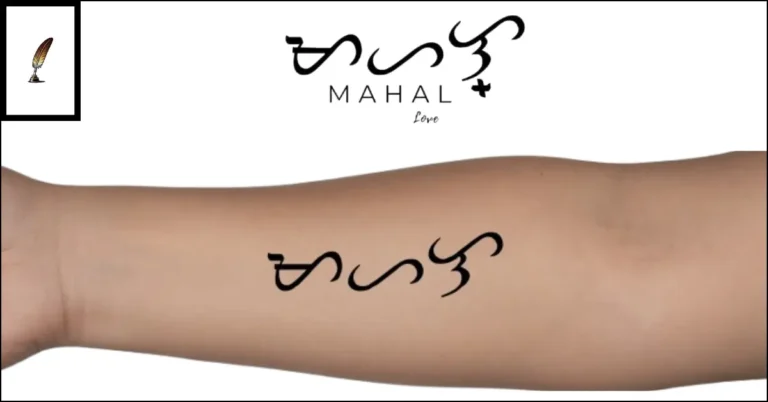
The History of Baybayin and Its Cultural Importance in the Philippines
The History of Baybayin is a rich and meaningful story that shows how early Filipinos communicated, expressed ideas, and built their identity long before modern writing systems arrived. Long before paper, laptops, or mobile phones existed, people in the Philippines already had their own beautiful and functional script known as Baybayin.

What Is Baybayin?
Baybayin is a precolonial Filipino writing system used mainly by Tagalog-speaking communities. The word “Baybayin” comes from the root word baybay, which means “to spell” or “to trace letters.”
It is important to note that Baybayin was once mistakenly called Alibata. This term is incorrect because it was based on the Arabic alphabet order (alif, ba, ta), which is not related to the structure of Baybayin.
Quick Note on Baybayin Script:
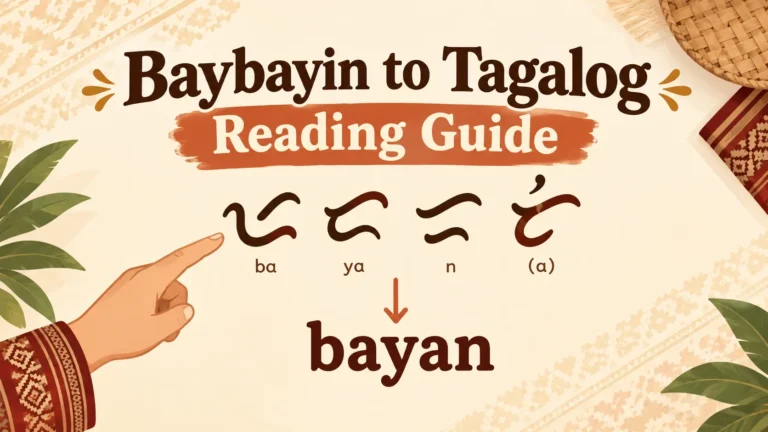
Traditional Baybayin consists of 3 standalone vowels, 14 base consonants, and diacritical marks called “kudlits” to change vowel sounds. To learn the complete character set and full syllabic rules, explore our complete Baybayin Alphabet guide.
The Early History of Baybayin
The history of Baybayin goes back hundreds of years before colonization. Early Filipinos widely used it in everyday life. It was not limited to scholars or elites—many ordinary people could read and write.
Baybayin was used for:
- Writing poems and songs
- Sending personal letters
- Recording prayers and traditions
Instead of paper, people wrote on natural materials such as:
- Bamboo
- Leaves
- Tree bark
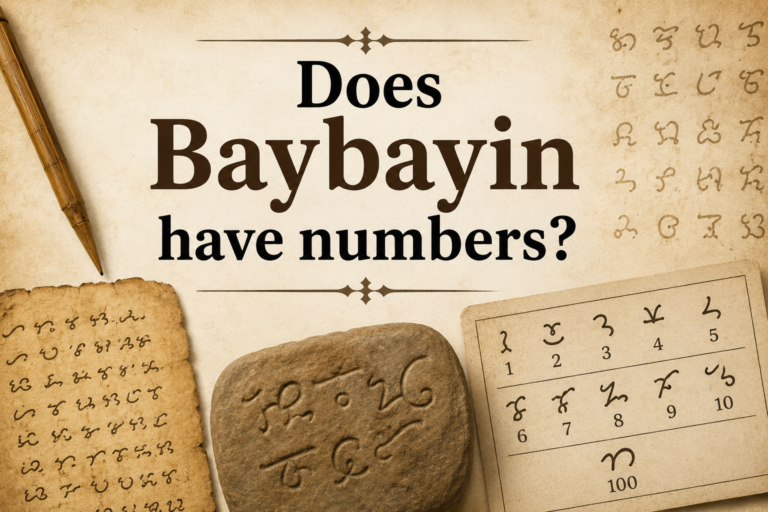
Because these materials easily decay, only a few original examples have survived. However, discoveries like the Monreal Stone from Masbate show that Baybayin was truly used in real-life settings.
Historical Evidence: The Monreal Stone
A very important discovery related to the History of Baybayin is the Monreal stone found in Ticao Island in the province of Masbate.
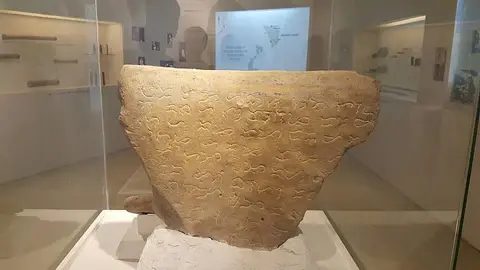
This stone contains carved Baybayin inscriptions, proving that the script was widely used in different parts of the country. It serves as strong archaeological evidence of the ancient Filipino script and its real presence in early society.
Baybayin During Spanish Colonization
When Spanish colonizers arrived in the 1500s, they noticed that many Filipinos were already literate in Baybayin. Spanish missionaries even studied the script and used it to teach Christianity.
One of the most important historical books, the Doctrina Christiana, included Baybayin alongside the Latin alphabet. This shows how important the script was during that time.
The Spanish also introduced a small change to the system:
- They added a cross-like mark to remove the vowel sound from characters
Despite this, the Latin alphabet slowly replaced Baybayin. Over time:
- Fewer people used the script
- Schools began teaching the Latin writing system
- Baybayin gradually faded from daily use
Cultural Importance of Baybayin
Even though it is no longer widely used for everyday writing, Baybayin remains deeply important in Filipino culture.
1. A Connection to Filipino Heritage
Baybayin reminds people that Filipinos had their own writing system and culture long before colonization. It is a symbol of independence and identity.
2. Source of National Pride
Learning about the History of Baybayin helps Filipinos appreciate their roots. It shows the creativity and intelligence of early communities.
3. A Form of Artistic Expression
Today, Baybayin is often seen in:
- Tattoos
- Clothing and fashion
- Logos and graphic design
Its elegant curves and simple shapes make it visually appealing and meaningful.
How Baybayin Works
Understanding how Baybayin functions helps make its history even more interesting.
- It has three main vowel characters: a, e/i, and o/u
- It includes consonant symbols that combine with vowel sounds
- The kudlit changes pronunciation
- Later, a special mark was added to cancel vowel sounds
This structure makes Baybayin both simple and flexible.
Baybayin in the Modern World
In recent years, the history of Baybayin has gained attention again. Many Filipinos are working to revive and promote the script.
Today, Baybayin can be found in:
- Online Baybayin translation tools.
- School lessons and cultural workshops
- Social media and digital platforms
- Fonts, keyboards, and translation tools
- Philippine peso bills and official designs
Artists like Kristian Kabuay have helped spread awareness, especially among Filipinos living abroad. Through art and education, Baybayin is being brought back to life.
Why the History of Baybayin Matters
Learning the history of Baybayin is important for everyone, especially young learners, because it:
- Strengthen cultural identity
- Keeps traditions alive for future generations
- Preserve the ancient Filipino writing system for the future
- Connect with Filipino roots in a meaningful way
- Understand how language evolves over time
For kids, Baybayin can feel like learning a secret code—fun, creative, and meaningful at the same time.
Final Thoughts
The history of Baybayin is more than just a lesson about an old writing system. It is a story of culture, resilience, and identity. Even though it faded during colonization, it never truly disappeared. Today, Baybayin is making a strong comeback—reminding everyone that the past still has a place in the present. By learning, sharing, and using Baybayin, we help preserve a beautiful part of Filipino heritage for generations to come.
Related Topics & Helpful Resources
If you want to explore more about the Baybayin script and deepen your understanding of this ancient Filipino writing system, check out these helpful guides:
- 👉 Learn how to read and write the Baybayin alphabet step by step in our Learn Baybayin guide
- 👉 Try our easy-to-use Baybayin Translator to convert English or Tagalog words into the Tagalog script
- 👉 Create your own unique name using our Baybayin Name Generator based on proper kudlit rules
- 👉 Planning a tattoo? Read our Baybayin Tattoo Guide to avoid common translation mistakes
These resources will help you better understand how Baybayin works in both historical and modern contexts, especially in the precolonial Philippines.